
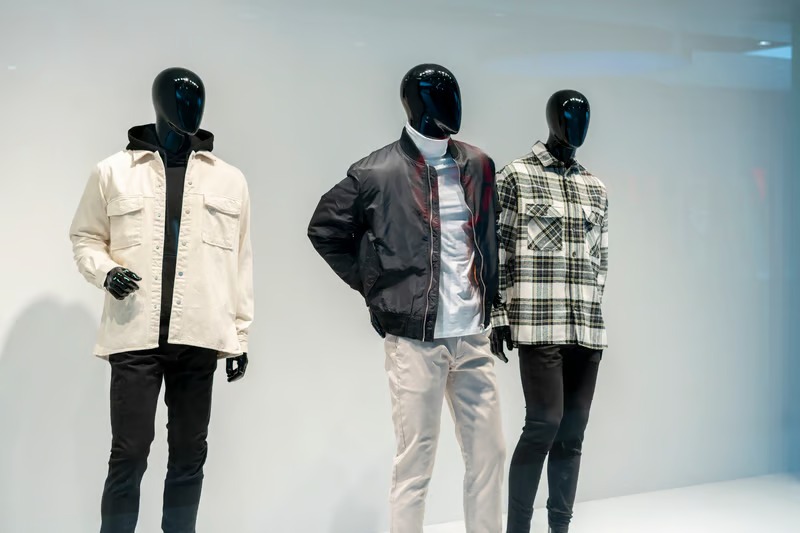
Luxury streetwear has moved far beyond a niche fashion subculture. It now sits at the intersection of fashion, art, and financial speculation. What was once seen as casual clothing tied to youth culture and limited drops has evolved into a global resale economy where certain pieces appreciate in value over time. This shift has led many collectors and investors to ask a serious question: can luxury streetwear truly function as a long-term investment, or is it just a trend-driven market fueled by hype cycles and scarcity psychology?
The answer is not simple because luxury streetwear behaves differently from traditional investments like stocks, bonds, or real estate. Its value is influenced by cultural relevance, brand storytelling, celebrity association, and demand within highly active secondary markets. While some pieces have demonstrated impressive returns, others lose value quickly once hype fades. Understanding this dual nature is essential before viewing it as a financial strategy rather than a lifestyle choice.
The Rise of Luxury Streetwear as a Cultural Asset
How streetwear moved from subculture to global luxury
Streetwear originally emerged from skateboarding, hip-hop, and youth-driven underground culture. Brands built their identity on exclusivity, limited drops, and cultural storytelling rather than traditional fashion cycles. Over time, high-end fashion houses began collaborating with streetwear labels, blurring the line between luxury and casual wear.
This shift transformed streetwear into a cultural asset. Items are no longer just clothing; they represent identity, belonging, and status within global communities. When luxury houses entered the space, they amplified scarcity and desirability, pushing resale markets into financial territory.
The role of hype culture and limited releases
A major driver behind luxury streetwear value is controlled scarcity. Brands intentionally release small quantities, often through “drops” that sell out within minutes. This artificial scarcity creates intense demand and fuels resale pricing.
Hype culture, amplified by social media and influencer marketing, accelerates this effect. A single celebrity appearance in a hoodie or sneaker can significantly increase resale value overnight. However, this same mechanism also makes the market volatile, as trends can shift quickly and unpredictably.
Understanding the Investment Potential of Streetwear
What makes a piece potentially valuable over time
Not all streetwear items appreciate in value. The ones that do tend to share specific characteristics. Limited production runs, collaborations with high-profile designers or artists, and strong brand identity all contribute to long-term desirability.
Items that mark cultural moments often perform better in resale markets. For example, collaborations between luxury houses and iconic streetwear brands tend to hold or increase value because they represent milestones in fashion history. In many cases, the cultural story behind a piece becomes just as important as its physical quality.
Scarcity, demand, and resale ecosystems
The resale ecosystem plays a critical role in determining value. Platforms specializing in authenticated secondhand luxury goods have created a transparent pricing structure where market demand directly influences resale value.
When demand consistently exceeds supply, prices tend to rise over time. However, this only applies to select pieces. Most streetwear items do not maintain strong resale performance, especially if they lack cultural significance or long-term brand relevance.
The Risks Behind Luxury Streetwear Investment
Market volatility and shifting trends
Unlike traditional investments, luxury streetwear is highly sensitive to cultural shifts. Trends can change rapidly, driven by influencers, social media cycles, and generational preferences. What is highly desirable today may lose relevance within months.
This volatility makes long-term prediction difficult. Even established brands can experience fluctuations in demand depending on creative direction or market saturation.
Overproduction and brand dilution
As streetwear becomes more mainstream, some brands increase production to meet demand. While this may improve accessibility, it often reduces exclusivity, which directly impacts resale value.
When too many units enter the market, scarcity decreases and prices stabilize or fall. This is one of the key risks for those treating streetwear as an investment rather than a fashion purchase.
Authentication risks and counterfeit markets
Another challenge in luxury streetwear investment is counterfeiting. High demand has led to a growing counterfeit industry, making authentication a critical factor in resale value.
Without proper verification, investors risk purchasing items that have no resale value. Trusted authentication services have become essential in protecting market integrity, but even with these systems, risk remains.
Key Factors That Influence Long-Term Value
Brand legacy and cultural influence
Brands with strong cultural identity tend to perform better over time. Labels that consistently influence music, art, and youth culture maintain relevance longer than trend-based brands.
A strong brand narrative creates emotional attachment, which supports long-term demand. This emotional value often becomes more important than production cost or material quality.
Celebrity influence and historical significance
Celebrity association can significantly impact value. When public figures consistently wear or endorse certain pieces, demand increases dramatically. However, this effect is only sustainable when tied to long-term cultural relevance rather than short-term publicity.
Historical significance also plays a role. Items associated with landmark collaborations or fashion milestones often become collector pieces.
Condition, rarity, and preservation
Like traditional collectibles, condition matters greatly in streetwear valuation. Items kept in pristine condition, preferably unworn with original packaging, tend to hold higher resale value.
Rarity also drives long-term appreciation. The fewer pieces available in circulation, the more likely they are to retain or increase value, provided demand remains strong.
Comparing Streetwear to Traditional Investments
Liquidity and resale speed
One advantage of luxury streetwear investment is liquidity. Popular items can often be resold quickly through online marketplaces. However, liquidity depends heavily on demand cycles, unlike financial markets that operate continuously.
Some items sell within hours, while others remain unsold for months. This inconsistency makes planning more difficult compared to traditional investment assets.
Return potential versus risk exposure
Certain luxury streetwear pieces have delivered impressive returns, sometimes outperforming traditional assets in short timeframes. However, this performance is not guaranteed and often depends on timing, rarity, and cultural relevance.
Risk exposure is significantly higher due to unpredictability. Investors can face sudden drops in value if trends shift or if brands lose cultural momentum.
Expert Perspective on Streetwear as an Investment
From an expert standpoint, luxury streetwear should be viewed as a hybrid between collectible culture and speculative investment rather than a stable financial instrument. While select pieces have demonstrated strong appreciation, the majority of items do not behave like traditional long-term assets.
Experienced collectors often focus on cultural significance rather than short-term resale gains. They prioritize pieces that represent important moments in fashion history or collaborations that are unlikely to be repeated. This approach increases the likelihood of long-term value retention.
Experts also emphasize diversification. Treating streetwear as a small portion of a broader investment strategy rather than a primary asset reduces risk exposure while still allowing participation in cultural markets.
The Future of Luxury Streetwear Value
The future of luxury streetwear investment will likely depend on how brands balance exclusivity with mass demand. As digital fashion, virtual collectibles, and blockchain authentication evolve, the definition of ownership may continue to change.
We are also seeing increased institutional interest in fashion collectibles, which may stabilize certain segments of the market. However, volatility will likely remain a defining feature due to the cultural nature of streetwear.
Sustainability trends may also influence future value. Consumers are becoming more conscious of production ethics, which could affect brand perception and long-term desirability.
Conclusion
Luxury streetwear can function as a long-term investment in specific cases, but it is not a guaranteed or stable financial strategy. Its value depends heavily on cultural relevance, scarcity, brand influence, and timing. While certain pieces appreciate significantly over time, many do not retain value once trends shift.
The most realistic perspective is to view luxury streetwear as a cultural asset with investment potential rather than a traditional financial instrument. Those who understand its dynamics, follow market trends carefully, and prioritize iconic pieces may benefit the most. However, emotional value and cultural connection often play just as important a role as financial return in this evolving market.
FAQs
Is luxury streetwear a safe investment option?
Luxury streetwear is not a guaranteed safe investment. While some pieces appreciate in value, the market is highly volatile and influenced by trends, culture, and demand cycles.
Which streetwear items hold value the longest?
Items with strong cultural significance, limited releases, and high-profile collaborations tend to retain value longer than mass-produced pieces or seasonal trends.
What is the biggest risk in streetwear investment?
The biggest risk is market unpredictability. Trends can change quickly, causing resale values to drop even for previously popular items.