
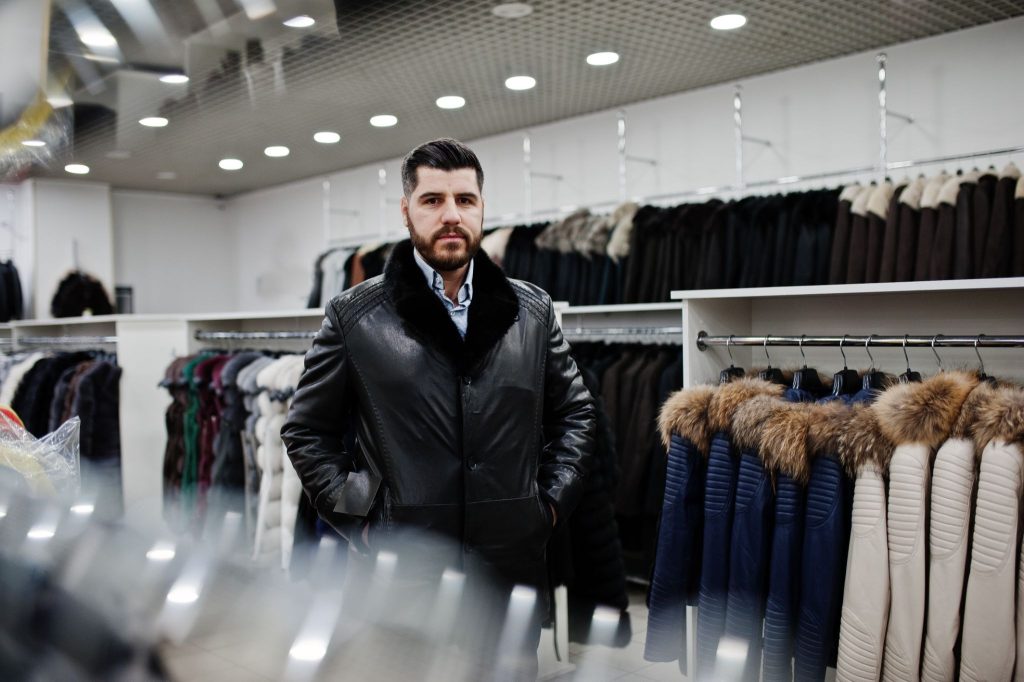
Modern outerwear is no longer just about protection from cold or rain. It has become a core part of everyday dressing. Men’s Outerwear now sits at the intersection of function, comfort, and personal style. People expect jackets to perform in multiple environments, from city commutes to outdoor travel. This shift reflects a broader lifestyle change where clothing must adapt to movement, weather, and daily routines. Outerwear today is designed not only to protect but also to express identity and support long-term comfort. It has become a year-round essential rather than a seasonal necessity.
Core Fabric Technologies Defining Modern Outerwear
Fabric innovation is the foundation of high-quality outerwear. Modern jackets are built using advanced materials that balance protection and breathability. Waterproof and water-resistant systems are now standard in premium Men’s Outerwear, ensuring protection against unpredictable weather. At the same time, breathability is essential to prevent overheating during movement. Insulated fabrics provide warmth without adding unnecessary bulk, while lightweight materials support flexibility and layering. The combination of these technologies ensures that outerwear performs across different climates and activities.
Waterproof and water-resistant material systems
High-performance outerwear often uses laminated membranes or coated fabrics that prevent water penetration while allowing vapor to escape. This keeps the wearer dry without trapping heat or moisture inside.
Breathability and moisture management fabrics
Breathable fabrics are essential for comfort during long wear. They regulate airflow and help manage sweat, especially during physical activity or temperature changes.
Insulated vs lightweight outerwear construction
Insulated jackets focus on warmth retention, while lightweight versions prioritize mobility and layering. Modern designs often combine both approaches for versatility.
Structural Design Elements in Contemporary Outerwear
Design structure plays a major role in the functionality of Men’s Outerwear. Jackets must support movement while maintaining durability. Ergonomic tailoring ensures that sleeves, shoulders, and torso areas move naturally with the body. This reduces restriction during daily activities. Layer-friendly construction is also important, allowing jackets to be worn over different clothing combinations. Weatherproof engineering, such as sealed seams and reinforced stitching, enhances durability in harsh conditions. Every structural detail contributes to long-term usability and performance.
Seam sealing and weatherproof engineering
Sealed seams prevent water from entering through stitching lines, improving protection in heavy rain or snow conditions.
Zipper systems, closures, and fastening innovation
Modern outerwear uses waterproof zippers, magnetic closures, and reinforced fasteners for better durability and ease of use.
Climate Adaptability and Functional Performance
Adaptability is one of the most important aspects of Men’s Outerwear today. Clothing must perform across changing environments. Multi-season jackets are designed to work in both warm and cold conditions. Urban outerwear focuses on mobility and style, while outdoor designs prioritize protection and durability. Modular systems are becoming more common, allowing users to adjust insulation or ventilation based on weather. This flexibility makes modern outerwear more practical for diverse lifestyles.
Detachable layers and adjustable insulation systems
Some jackets include removable liners or adjustable padding, allowing users to customize warmth levels depending on conditions.
Ventilation zones and temperature regulation features
Strategically placed ventilation panels help regulate body temperature during movement or changing weather conditions.
Style Architecture and Modern Aesthetic Direction
Outerwear is no longer purely functional. It is a key part of personal style. Minimalism has become a dominant design direction in Men’s Outerwear, with clean lines and neutral colors leading modern wardrobes. At the same time, technical designs inspired by streetwear and performance gear are gaining popularity. Oversized silhouettes are still present but are now balanced with tailored fits. Color choices are also more intentional, often focusing on versatility and long-term wearability.
Oversized silhouettes vs tailored outerwear fits
Oversized jackets offer comfort and layering space, while tailored fits create a sharper and more refined appearance.
Color psychology in functional fashion design
Neutral tones like black, grey, navy, and olive dominate because they are easy to match and remain timeless.
Comfort Engineering and Wearability Standards
Comfort is a critical factor in modern Men’s Outerwear. Jackets must support long hours of wear without causing discomfort. Lightweight construction reduces fatigue, especially during travel or daily commuting. Inner linings are designed to feel soft against the skin while also managing temperature. Flexibility is also important, with stretch panels allowing natural movement. The goal is to ensure that outerwear feels like a second skin rather than a rigid layer.
Soft-touch interiors and skin-friendly fabrics
High-quality linings prevent irritation and improve overall comfort during extended wear.
Flex panels and stretch integration in jackets
Stretchable sections in key movement areas improve mobility and reduce restriction.
Safety and Protective Features in Modern Outerwear
Protection is a core function of Men’s Outerwear. Jackets are designed to shield against wind, rain, and environmental exposure. Windproof layers help retain body heat in cold conditions. UV-resistant materials provide protection from sun exposure during outdoor use. Reflective elements are also included in some designs to improve visibility in low-light environments. High-performance outerwear is especially important for extreme weather conditions where safety becomes a priority.
Windproof layering systems and insulation balance
Windproof fabrics block cold air while insulation retains body heat for stable comfort.
High-performance outerwear for extreme conditions
Technical jackets used in hiking or alpine environments are designed for maximum protection and durability.
Sustainability and Ethical Manufacturing in Outerwear
Sustainability is becoming a key factor in Men’s Outerwear design. Brands are increasingly using recycled materials and eco-friendly production methods. Circular fashion systems aim to reduce waste by extending product life cycles. Durability is also considered a form of sustainability, as long-lasting clothing reduces replacement frequency. Low-impact dyeing and water-saving production processes are becoming more common across the industry.
Low-impact dyeing and water-saving processes
Modern manufacturing reduces environmental impact by minimizing chemical use and water consumption during production.
Long-lasting design reducing fashion waste
Durable jackets reduce the need for frequent replacements, supporting more sustainable consumption habits.
Technological Integration in Men’s Outerwear
Technology is reshaping Men’s Outerwear in significant ways. Smart fabrics are being developed to respond to temperature changes and environmental conditions. Wearable tech integration is also emerging, allowing jackets to connect with devices or support digital functions. Data-driven design helps brands improve fit, comfort, and performance based on user behavior. Outerwear is becoming more intelligent and responsive to real-world needs.
Temperature-responsive materials and adaptive fabrics
Some fabrics adjust insulation levels based on body temperature or external conditions.
Embedded functionality for urban mobility
Future jackets may include features like device charging, GPS tracking, or connectivity tools.
Common Mistakes When Choosing Men’s Outerwear
Many people prioritize style over function when selecting jackets. This leads to poor performance in real conditions. Ignoring climate compatibility is another common mistake, especially when buying fashion-focused pieces. Sizing issues also affect usability, particularly when layering is not considered. Choosing trendy designs over practical features often reduces long-term satisfaction. Understanding functional needs is essential when investing in Men’s Outerwear.
Misjudging sizing for layering needs
A jacket that fits too tightly may not allow proper layering in colder conditions.
Choosing fashion trends over practical performance
Trendy designs may look appealing but often lack durability or weather protection.
Future Evolution of Men’s Outerwear
The future of outerwear is moving toward intelligent, adaptive systems. Men’s Outerwear will increasingly combine fashion, technology, and sustainability. AI-assisted design may allow personalized fits and features based on individual lifestyle needs. Modular jackets that adapt to different environments are also expected to grow in popularity. Sustainability will continue to drive innovation, with fully recyclable and eco-conscious systems becoming standard.
AI-assisted garment design and customization
Artificial intelligence may help create jackets tailored to body shape, climate, and usage patterns.
Fully modular outerwear systems for dynamic use
Future jackets may allow users to add or remove components depending on conditions.
Final Thoughts on Essential Components of Men’s Outerwear
Modern outerwear is a blend of performance, comfort, and design intelligence. Men’s Outerwear is no longer just protective clothing but a long-term lifestyle investment. The best jackets combine advanced materials, thoughtful construction, and adaptable features. As technology and sustainability continue to evolve, outerwear will become even more functional and personalized. Choosing the right piece today means prioritizing durability, comfort, and versatility for years of reliable use.