
In an age where health information is at our fingertips, understanding the importance of preventive health screenings is crucial for maintaining our well-being and longevity. These proactive measures allow individuals to identify potential health issues before they escalate, leading to better health outcomes and a longer life. This guide aims to illuminate the various types of preventive health screenings, their significance, and how to integrate them into your health routine.
What Are Preventive Health Screenings?
Preventive health screenings are medical tests conducted to detect potential health issues before symptoms appear. They are essential tools in the healthcare arsenal, allowing for early intervention and treatment. These screenings can vary widely, from routine physical exams and blood tests to more specialized tests aimed at identifying specific conditions such as cancer, diabetes, and cardiovascular diseases.
The Importance of Preventive Health Screenings
Engaging in preventive health screenings is essential for several reasons. Firstly, these screenings can catch diseases early when they are most treatable. For example, mammograms can detect breast cancer at an early stage, significantly improving the chances of successful treatment. Secondly, preventive screenings often lead to a better understanding of personal health risks, enabling individuals to make informed lifestyle changes.
Expert Insight: According to Dr. Emily Roberts, a preventive medicine specialist, “Preventive health screenings are a vital part of maintaining health. They empower individuals with knowledge about their health status and potential risks, allowing them to take proactive steps.”
Common Types of Preventive Health Screenings
Preventive health screenings encompass a wide range of tests and exams. Here are some of the most commonly recommended screenings across different age groups and genders.
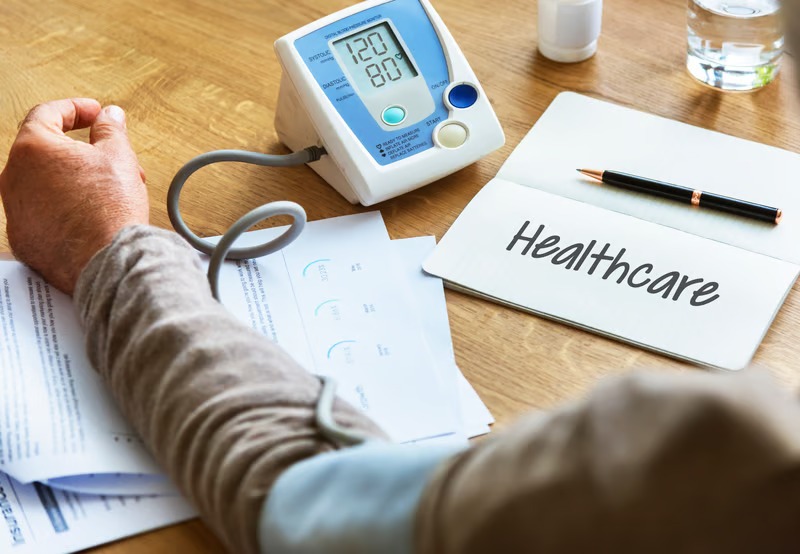
1. Blood Pressure Screening
Regular blood pressure checks are crucial for everyone, regardless of age. High blood pressure often has no symptoms but can lead to serious conditions like heart disease and stroke. The American Heart Association recommends adults have their blood pressure checked at least once every two years.
2. Cholesterol Screening
Cholesterol screenings help assess the levels of LDL (bad cholesterol) and HDL (good cholesterol) in your blood. Elevated cholesterol levels can increase the risk of heart disease. Adults should begin regular cholesterol screenings at age 20 and continue every four to six years, or more frequently based on risk factors.
3. Blood Glucose Testing
This screening is essential for detecting prediabetes and diabetes. The American Diabetes Association recommends that adults aged 45 and older undergo blood glucose testing every three years, especially if they are overweight or have additional risk factors.
4. Cancer Screenings
Cancer screenings are vital for early detection. Specific tests include:
Mammograms: Recommended for women starting at age 40, mammograms help detect breast cancer early.
Pap Smears: Women should start getting Pap tests at age 21 to screen for cervical cancer.
Colonoscopy: Starting at age 45, both men and women should have a colonoscopy to screen for colorectal cancer.
5. Skin Checks
Regular skin examinations by a dermatologist can help detect skin cancer early. Adults should perform self-examinations monthly and see a dermatologist annually, especially if they have a family history of skin cancer or other risk factors.
How to Incorporate Preventive Health Screenings into Your Life
Taking proactive control of your health means being proactive about health screenings. Here are some strategies to incorporate these essential tests into your routine.
Schedule Regular Check-Ups
Make it a habit to schedule an annual physical exam with your primary care physician. During these visits, you can discuss which preventive health screenings are appropriate for you based on your age, gender, and health history.
Stay Informed
Educate yourself about the recommended screenings for your age and health status. The U.S. Preventive Services Task Force provides guidelines that can help you understand which screenings are necessary and when to begin them.
Set Reminders
Use technology to your advantage by setting reminders on your phone or calendar for when screenings are due. This can help ensure that you don’t miss important appointments.
Engage with Your Healthcare Provider
Communicate openly with your healthcare provider about your concerns and any changes in your health. This dialogue can help tailor preventive health screenings to your specific needs.
Overcoming Barriers to Preventive Health Screenings
Despite the importance of preventive health screenings, many individuals face barriers that prevent them from participating in these essential health measures. Understanding these barriers and finding ways to overcome them is crucial.
1. Lack of Awareness
Many people are unaware of the importance of preventive health screenings or which screenings they need. Educational campaigns can help raise awareness about the necessity of these tests.
2. Financial Constraints
Healthcare costs can be a significant barrier to accessing preventive screenings. Many insurance plans cover preventive services, so it’s essential to check with your provider to understand what is included.
3. Fear and Anxiety
Some individuals may feel anxious about undergoing medical tests or receiving potential bad news. Addressing these fears through education and support can encourage more individuals to participate in screenings.
4. Time Constraints
Busy schedules can make it challenging to prioritize health screenings. Planning ahead and scheduling appointments during less busy times can help alleviate this barrier.
The Role of Technology in Preventive Health Screenings
Advancements in technology are transforming how preventive health screenings are conducted. Telemedicine, wearable devices, and health apps are making it easier for individuals to monitor their health and access screenings.
Telemedicine
Telemedicine allows patients to consult healthcare providers remotely, making it easier to seek advice and schedule necessary screenings without the need for in-person visits.
Wearable Devices
Wearable technology, such as fitness trackers and smartwatches, can monitor vital signs and activity levels, providing valuable data that can inform your health and prompt you to seek preventive screenings.
Health Apps
Numerous health apps can help track screenings and health metrics, reminding users when to schedule appointments and providing educational resources about preventive health.
Real-Life Impact of Preventive Health Screenings
The benefits of preventive health screenings are not just theoretical; they have real-life implications for individuals and communities alike. Here are a few examples of how these screenings have made a difference.
Case Study: Early Detection of Cancer
Consider the story of Sarah, a 42-year-old woman who regularly scheduled her mammograms. During one of her screenings, a small tumor was detected early, leading to prompt treatment. Thanks to her proactive approach to preventive health screenings, Sarah is now cancer-free and advocates for regular screenings among her peers.
Case Study: Managing Chronic Conditions
John, a 50-year-old man, was diagnosed with prediabetes after a routine blood glucose test. With guidance from his healthcare provider, he made lifestyle changes, including diet and exercise, preventing the progression to type 2 diabetes. Regular screenings allowed John to take control of his health and avoid severe complications.
The Future of Preventive Health Screenings
As healthcare continues to evolve, the future of preventive health screenings promises to be more personalized and accessible. Here are some trends to watch for:
1. Personalized Medicine
Advancements in genetics and genomics are paving the way for personalized medicine, where screenings can be tailored to an individual’s genetic risk factors, enhancing early detection capabilities.
2. Integrated Health Systems
The integration of healthcare systems will enable better data sharing, allowing for a more comprehensive view of individual health and more coordinated preventive care.
3. Community Health Initiatives
Community-based programs will likely expand, making preventive health screenings more accessible to underserved populations and promoting health equity.
Conclusion
Preventive health screenings are an essential component of proactive health management. By taking control of your health through regular screenings, you can identify potential issues early, make informed decisions, and ultimately enhance your longevity. As you navigate your health journey, remember that knowledge is power, and proactive measures can lead to a healthier, happier life.
FAQs
What are preventive health screenings?
Preventive health screenings are tests conducted to detect potential health issues before symptoms appear, allowing for early intervention and treatment.
Why are preventive health screenings important?
These screenings can catch diseases early when they are most treatable, leading to better health outcomes and informing individuals about their health risks.
What types of screenings should I consider?
Common screenings include blood pressure checks, cholesterol tests, blood glucose testing, cancer screenings, and skin checks.
How can I incorporate screenings into my routine?
Schedule regular check-ups with your healthcare provider and stay informed about recommended screenings based on your age and health history.
What role does technology play in preventive health screenings?
Technology enhances access to screenings through telemedicine, wearable devices, and health apps, making it easier to monitor health and schedule necessary tests.