
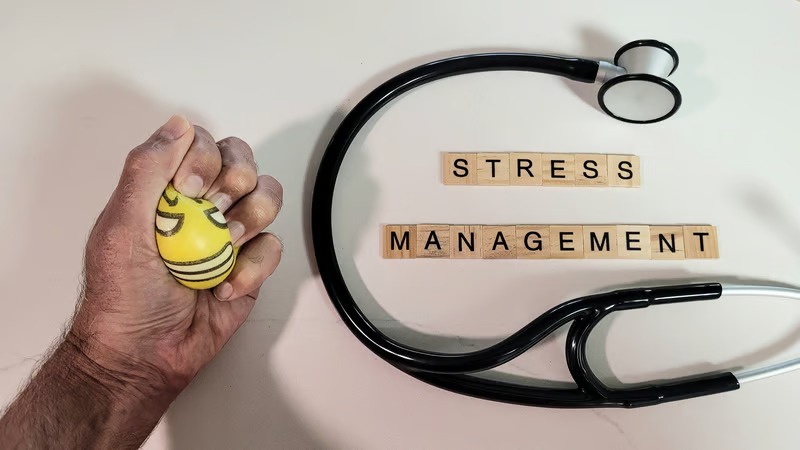
In today’s fast-paced world, stress has become an almost ubiquitous part of life. Whether it’s work-related pressures, family responsibilities, or the constant barrage of information from our devices, stress can feel overwhelming. Understanding how to manage stress effectively is crucial for maintaining a balanced life and overall well-being. This comprehensive guide explores various stress management strategies, helping you uncover techniques to relieve tension and foster resilience. By implementing these strategies, you can take proactive steps toward achieving a healthier, more balanced life.
Understanding Stress and Its Effects
The Nature of Stress: What It Is and Why It Happens
Stress is a natural response to challenges or demands placed upon us. It triggers a series of physiological reactions often referred to as the “fight or flight” response, preparing the body to confront or escape perceived threats. While some stress can be beneficial, motivating us to perform better, excessive stress can lead to detrimental effects on both our mental and physical health. Recognizing the nature of stress and its origins is the first step in effectively managing it. By understanding that stress can stem from various sources—both external and internal—you can begin to identify specific triggers in your life.
The Physical and Emotional Impact of Stress
The effects of stress are far-reaching, impacting both the body and the mind. Physically, chronic stress can lead to a host of health issues, including anxiety, depression, heart disease, and digestive problems. Emotionally, stress can manifest as irritability, mood swings, and feelings of helplessness. The interplay between physical and emotional responses to stress creates a cycle that can be challenging to break. By acknowledging the signs of stress and its consequences, you can take meaningful steps toward managing it before it spirals out of control.
Identifying Stress Triggers
Common Sources of Stress in Daily Life
Identifying the sources of stress in your life is crucial for effective management. Common stressors include work demands, financial pressures, relationship issues, and health concerns. Additionally, less obvious factors such as environmental noise, lack of personal time, and social media can contribute to overall stress levels. Keeping a stress journal can help you track these triggers, allowing you to gain insights into patterns and their impact on your emotional well-being. By pinpointing specific stressors, you can develop targeted strategies to address them effectively.
The Importance of Self-Awareness in Stress Management
Self-awareness is a powerful tool in stress management. Understanding your emotional responses and recognizing when you are feeling stressed can help you take proactive measures to mitigate its effects. Practicing self-reflection and mindfulness can enhance your awareness of stress triggers, enabling you to respond to situations more effectively. By cultivating self-awareness, you empower yourself to make informed decisions about how to handle stress, ultimately leading to improved emotional resilience and a healthier mindset.
Effective Stress Management Strategies
Mindfulness and Meditation Techniques
Mindfulness and meditation are powerful stress management strategies that promote relaxation and self-awareness. Mindfulness involves being present in the moment and observing your thoughts and feelings without judgment. Practicing mindfulness can help reduce anxiety and improve emotional regulation. Meditation, on the other hand, involves focused attention and deep breathing techniques, allowing for a greater sense of calm and clarity. Incorporating mindfulness and meditation into your daily routine can provide a sanctuary of peace amidst the chaos, enabling you to manage stress more effectively.
Physical Activity and Its Role in Stress Relief
Physical activity is a proven method for reducing stress and improving overall well-being. Engaging in regular exercise releases endorphins, which are natural mood lifters. Whether it’s a brisk walk, a yoga session, or a high-intensity workout, physical activity helps to alleviate tension and distracts the mind from stressors. Additionally, exercise promotes better sleep, which is essential for effective stress management. Finding an activity that you enjoy and can commit to regularly is key to reaping the stress-relieving benefits of physical activity.
The Power of Healthy Nutrition
Nutrition plays a significant role in how we manage stress. A balanced diet rich in whole foods, vitamins, and minerals can support mental health and enhance resilience to stress. Foods that are high in omega-3 fatty acids, such as salmon and walnuts, can reduce inflammation and promote brain health. Additionally, complex carbohydrates, lean proteins, and plenty of fruits and vegetables provide the necessary nutrients for optimal functioning. Staying hydrated is also crucial, as dehydration can exacerbate feelings of stress and fatigue. By prioritizing healthy nutrition, you can equip your body with the tools it needs to cope with stress effectively.
Building a Supportive Social Network
A strong social support network is essential for managing stress and promoting mental well-being. Friends, family, and community connections provide a sense of belonging and understanding, allowing you to share your experiences and feelings. Engaging in open conversations about stress can help reduce feelings of isolation and provide valuable perspectives on coping strategies. Nurturing these relationships and seeking support when needed can significantly enhance your ability to manage stress and foster resilience in challenging times.
Behavioral and Cognitive Approaches to Stress Management
Cognitive Behavioral Techniques for Stress Reduction
Cognitive Behavioral Therapy (CBT) techniques can be effective in managing stress by altering negative thought patterns and behaviors. Identifying irrational beliefs and cognitive distortions can help you reframe your thinking and develop healthier responses to stressors. Techniques such as journaling, thought records, and guided imagery can assist in processing emotions and reducing anxiety. By cultivating a more positive mindset and developing constructive coping strategies, you can effectively manage stress and enhance your emotional well-being.
Developing Healthy Coping Mechanisms
Healthy coping mechanisms are vital for navigating stress effectively. Instead of resorting to unhealthy habits such as excessive drinking or procrastination, focus on developing constructive outlets for stress. Activities such as engaging in hobbies, practicing relaxation techniques, or seeking professional therapy can foster resilience and promote emotional balance. By consciously choosing healthy coping strategies, you empower yourself to respond to stress in ways that enhance your overall well-being.
Stress Management in the Workplace
Creating a Stress-Free Work Environment
Workplaces can be significant sources of stress, making it essential to create a supportive and healthy environment. Organizations can foster a culture of well-being by promoting open communication, providing resources for stress management, and encouraging work-life balance. Simple changes, such as offering flexible schedules or creating quiet spaces for relaxation, can significantly reduce workplace stress. Employees can also take proactive steps, such as setting boundaries, prioritizing tasks, and seeking support from colleagues, to create a more manageable work experience.
Time Management Techniques to Alleviate Work Stress
Effective time management is crucial for reducing stress in the workplace. Utilizing techniques such as prioritizing tasks, setting realistic deadlines, and breaking projects into manageable steps can help you stay organized and reduce feelings of overwhelm. Tools like to-do lists, planners, and digital apps can enhance productivity while minimizing stress. By mastering time management skills, you can create a more balanced work routine that allows for personal time and relaxation.
Long-Term Strategies for a Balanced Life
The Importance of Routine and Structure
Establishing a daily routine can provide a sense of stability and control, which is essential for managing stress. A well-structured day allows you to allocate time for work, relaxation, and self-care, helping to create a balanced lifestyle. Incorporating regular activities such as exercise, meals, and mindfulness practices into your routine can promote overall well-being and reduce feelings of chaos. Consistency in your daily habits fosters resilience and helps you navigate stressors with greater ease.
Incorporating Relaxation Techniques into Daily Life
Incorporating relaxation techniques into your daily routine is essential for effective stress management. Techniques such as deep breathing exercises, progressive muscle relaxation, and guided imagery can help calm your mind and body. Taking regular breaks throughout the day to engage in these practices can enhance focus and productivity while reducing tension. By prioritizing relaxation, you equip yourself with the tools needed to manage stress and maintain a sense of equilibrium in your life.
Conclusion
Managing stress is not a one-time effort but a lifelong commitment to maintaining balance and well-being. By implementing effective stress management strategies, you can cultivate resilience and navigate life’s challenges with greater ease. Embracing a holistic approach that encompasses mindfulness, physical activity, healthy nutrition, and social support will empower you to live a more balanced and fulfilling life. Remember, the journey to stress management is unique for each individual, and discovering the strategies that resonate with you is key to achieving lasting change.
Frequently Asked Questions
What are some quick stress relief techniques?
Some quick stress relief techniques include deep breathing exercises, taking short walks, practicing mindfulness, and engaging in physical activity. These methods can provide immediate relief and help you regain a sense of calm.
How can I identify my personal stress triggers?
Identifying personal stress triggers involves self-reflection and observation. Keeping a journal to track your feelings and experiences can help you pinpoint specific situations or factors that contribute to your stress.
What role does sleep play in stress management?
Sleep plays a critical role in stress management as it is essential for mental and physical recovery. Lack of sleep can exacerbate stress levels and negatively impact mood and cognitive function. Prioritizing good sleep hygiene is crucial for overall well-being.