
Stress management refers to the structured practice of reducing, preventing, and responding to chronic physiological and emotional strain through evidence-based habits and lifestyle changes. Within workplace wellness programs, physical activity has emerged as a foundational element of holistic stress management strategies because movement directly influences the body’s stress response, mental clarity, and long-term resilience. This blog explores the science behind movement-driven stress management, the workplace programs that support it, and practical routines that make activity a sustainable daily habit.
Stress Management Through Movement at Work
Modern workplaces recognize physical activity as a core pillar of stress management because movement addresses the physiological roots of stress rather than masking symptoms. Chronic stress elevates cortisol, increases muscle tension, disrupts sleep, and impairs cognitive performance. Regular movement counteracts these effects through mechanisms that touch nearly every system involved in the stress response.
According to the American Psychological Association, just 30 minutes of moderate exercise several days per week reduces anxiety symptoms by up to 40 percent and improves overall mood across age groups. Workplace wellness programs increasingly integrate movement into stress management frameworks because the science linking activity to mental health has become difficult to ignore across employee populations.
Endorphin Release and Cortisol Regulation
Endorphin release during exercise creates the natural mood lift often described as a runner’s high. These neurotransmitters interact with receptors in the brain that reduce pain perception and elevate mood. At the same time, consistent movement helps regulate cortisol, the primary stress hormone, preventing the chronic elevation linked to anxiety, weight gain, and cardiovascular strain.
Research published in the Journal of Endocrine Society confirms that regular aerobic exercise lowers baseline cortisol levels in adults experiencing chronic work-related stress. This physiological shift supports steadier energy throughout the workday and reduces the emotional volatility that accompanies unmanaged stress across demanding professional environments.
Sleep Quality and Recovery Cycles
Sleep and stress share a bidirectional relationship. Poor sleep worsens stress, and unmanaged stress disrupts sleep architecture, creating a cycle that undermines mental performance and physical health. Physical activity improves sleep onset, deep sleep duration, and overnight recovery by supporting circadian rhythm alignment and reducing the mental rumination that keeps stress elevated at bedtime.
Employees who move consistently report falling asleep faster and waking more refreshed. This improvement reinforces stress management outcomes by ensuring the body and mind recover fully between demanding workdays. Sleep quality also amplifies the cognitive benefits of movement, producing sharper focus, better decision-making, and stronger emotional regulation during high-pressure projects.
Workplace Wellness Programs Drive Stress Management Outcomes
Workplace wellness programs increasingly embed physical activity into broader stress management strategies because employers recognize the financial and cultural returns of healthier workforces. The World Health Organization estimates that every dollar invested in workplace wellness returns approximately four dollars through reduced absenteeism, lower healthcare costs, and improved productivity.
Physical activity integration within these programs takes many forms, from subsidized gym memberships to on-site fitness classes and movement-friendly office design. Each approach supports stress management by lowering participation barriers and embedding activity into daily routines that employees can sustain without overhauling their schedules.
Corporate Fitness Benefits and Subsidies
Gym memberships, fitness stipends, and activity-tracker reimbursements are among the most common wellness benefits supporting employee stress management. These subsidies reduce financial friction for employees who would otherwise struggle to afford consistent access to fitness facilities, classes, or equipment needed to maintain regular exercise routines.
Wellness platforms increasingly pair subsidies with digital tracking tools that measure activity levels, sleep patterns, and stress indicators. Employees who track these metrics develop stronger awareness of how movement affects their wellbeing, reinforcing stress management habits through data-driven feedback loops that translate into long-term behavioral change.
Movement-Friendly Office Design
Standing desks, treadmill workstations, and walking paths around office campuses create environments that normalize movement throughout the workday. Walking meetings replace traditional sit-down formats for one-on-one discussions, encouraging employees to step away from desks while maintaining productivity and creative collaboration across teams.
Ergonomic furniture, adjustable monitors, and flexible workspaces support micro-movement that prevents the muscle tension and joint stiffness caused by prolonged sitting. These design choices reduce physical contributors to workplace stress while signaling organizational commitment to employee wellbeing through visible, structural investments in healthier work environments.
Mental Health Benefits Reinforce Stress Management
Beyond physiology, physical activity delivers mental health benefits that strengthen stress management across long-term career arcs. Movement improves mood regulation, sharpens cognitive performance, and builds the psychological resilience needed to navigate high-pressure professional environments without burnout or chronic anxiety.
A Harvard Medical School review found that regular exercise reduces depression risk by 26 percent and anxiety risk by 20 percent among working adults. These outcomes reflect how movement influences neurotransmitter balance, neuroplasticity, and stress reactivity through multiple pathways that reinforce overall mental health alongside stress management.
Mood Regulation and Anxiety Reduction
Exercise reduces anxiety symptoms by interrupting rumination, releasing tension stored in muscles, and elevating neurotransmitters associated with calm and contentment. Even short activity sessions produce measurable mood improvements that last several hours, making movement a powerful tool for managing acute workplace stress during demanding days.
Consistent routines deepen these effects over time. Employees who maintain regular activity report lower baseline anxiety, stronger emotional stability, and greater capacity to handle workplace challenges without feeling overwhelmed. Mood regulation becomes an automatic outcome of movement-driven stress management rather than an additional effort layered on top of demanding schedules.
Cognitive Performance and Workplace Focus
Physical activity improves cognitive performance by increasing blood flow to the brain, supporting neurogenesis, and strengthening executive function. Employees who move during breaks return to their tasks with sharper attention, faster problem-solving, and better working memory, all of which reduce the cognitive strain that contributes to workplace stress throughout demanding projects.
Creative thinking also benefits from movement. A 2014 Stanford study found that walking boosts creative ideation by up to 60 percent compared with sitting. Employees who take walking breaks or conduct outdoor meetings often produce more innovative solutions while simultaneously managing stress through movement-driven stress management practices that align with their natural workflow.
Building Sustainable Routines for Stress Management
Consistency matters more than intensity when building sustainable stress management routines through physical activity. Short daily movement sessions produce stronger long-term outcomes than occasional high-intensity workouts because they reinforce habits without creating burnout, injury risk, or the scheduling friction that derails long-term adherence.
Employees seeking sustainable routines should focus on accessibility, frequency, and personal preference. Walking, stretching, cycling, and bodyweight exercises offer low-barrier options that fit easily into busy schedules while still delivering the stress management benefits linked to consistent physical activity.
Low-Barrier Movement Options for Busy Schedules
Brisk walking for 20 to 30 minutes provides cardiovascular benefits, mood elevation, and stress reduction without requiring special equipment or gym access. Bodyweight routines at home or during breaks deliver strength and flexibility gains that support posture, reduce injury risk, and maintain energy throughout demanding workweeks.
Stretching sessions during work breaks relieve muscle tension caused by prolonged sitting and refresh mental focus. Short movement breaks every 60 to 90 minutes interrupt sedentary patterns while reinforcing stress management habits across the entire workday, supporting both immediate recovery and long-term resilience.
Habit Stacking and Workplace Anchors
Habit stacking pairs new behaviors with existing routines, increasing the likelihood of long-term adherence. Employees can attach a brief walk to a morning coffee, link stretching to lunch breaks, or schedule movement reminders alongside recurring meetings. These anchors reduce the cognitive load of remembering new habits while reinforcing consistency.
Team-based activity challenges, step competitions, and shared walking groups create social accountability that strengthens stress management routines across workplace communities. Colleagues who move together build camaraderie, exchange motivation, and normalize physical activity as part of workplace culture rather than a separate personal pursuit that competes with professional obligations.
Integrating Mind-Body Practices With Exercise
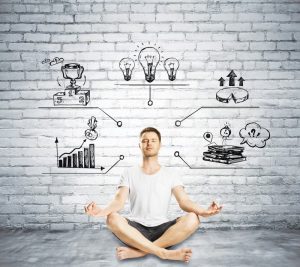
Mind-body practices deepen the stress management benefits of physical activity by combining movement with breath awareness and mental focus. Yoga, tai chi, pilates, and mindful stretching integrate physical and psychological elements that strengthen resilience, calm the nervous system, and produce deeper relaxation than movement alone.
These practices also suit diverse ability levels and workplace contexts. Chair yoga sessions, guided breathing exercises, and short mindfulness walks require no special equipment and adapt easily to office environments, remote workspaces, and travel schedules where traditional exercise may be impractical or inaccessible.
Yoga and Mindful Movement in the Workplace
Chair yoga brings flexibility, posture improvement, and breath awareness into the office without requiring floor space or clothing changes. Guided stretching sessions during meetings introduce micro-movement that relieves physical tension while reinforcing the stress management mindset that supports long-term employee wellbeing across demanding schedules.
Mindful movement practices combine physical poses with attention to breath and body sensations. Employees who practice mindful movement develop stronger present-moment awareness, which reduces rumination and the mental loops that intensify workplace stress. These outcomes complement traditional stress management approaches while supporting overall mental health.
Breathwork and Recovery Practices
Box breathing, paced respiration, and diaphragmatic breathing calm the nervous system and lower acute stress responses when practiced consistently. Pairing breathwork with low-intensity movement amplifies relaxation benefits while reinforcing body awareness that supports long-term stress management outcomes across diverse professional contexts.
Recovery practices such as foam rolling, gentle stretching, and restorative yoga help employees process physical tension accumulated during demanding workdays. These routines complete the stress management cycle by supporting recovery, preventing injury, and maintaining the physical readiness needed to sustain consistent movement habits over months and years.
Measuring Progress Across Stress Management Goals
Tracking progress helps employees refine their stress management routines by identifying which activities produce the strongest results for their individual needs. Mood journals, sleep logs, and wearable device data provide measurable insights into how movement affects stress levels, energy, and overall wellbeing across changing work demands.
Reviewing these metrics monthly allows employees to adjust activity types, frequencies, and timing based on observed patterns. Some people respond best to morning movement that sets a calm tone for the day, while others benefit from afternoon sessions that reset focus and energy during post-lunch energy dips. Personalized adjustments produce stronger stress management outcomes than rigid routines.
Overcoming Barriers to Movement-Based Stress Management
Common barriers prevent employees from adopting movement-based stress management routines, including time constraints, remote work isolation, fatigue, and injury concerns. Addressing these barriers directly improves participation and adherence across diverse employee populations with varying schedules, abilities, and personal circumstances.
Time constraints often dissolve when employees break movement into shorter sessions. Two 15-minute walks can deliver stress management benefits comparable to a single 30-minute session, while fitting more easily into packed schedules. Remote workers benefit from scheduled movement breaks that interrupt prolonged sitting and maintain social connection through virtual fitness classes or walking meetings with colleagues.
Fatigue and low motivation respond well to low-intensity movement options. Gentle walking, stretching, and yoga sessions restore energy rather than depleting it, making them ideal for employees experiencing burnout or exhaustion. Injury concerns can be addressed through modified routines, professional guidance, and gradual progression that builds capacity safely across consistent practice.
Building a Culture Around Movement and Stress Management
Organizational culture shapes how employees perceive and adopt movement-based stress management practices. Leaders who model active routines, participate in wellness initiatives, and prioritize recovery signal that wellbeing is a shared value rather than an individual responsibility. This cultural shift strengthens participation and normalizes stress management across teams.
Team challenges, shared movement breaks, and wellness committees encourage participation through community rather than mandates. Employees who experience movement as a collective priority engage more consistently than those who view exercise as a personal obligation competing with professional demands. Culture-driven adoption produces stronger long-term stress management outcomes than individual willpower alone.
Conclusion
Physical activity forms a cornerstone of holistic stress management strategies because it addresses the physiological, cognitive, and emotional dimensions of stress simultaneously. Movement regulates cortisol, elevates mood, improves sleep, sharpens focus, and builds the resilience employees need to navigate demanding workplaces without chronic strain. Workplace wellness programs that integrate movement through fitness benefits, ergonomic design, and culture-driven initiatives produce measurable improvements in employee wellbeing and organizational performance.
Readers interested in stress management should begin with small, consistent routines that fit easily into existing schedules. Walking, stretching, yoga, and breathwork offer accessible entry points that build momentum over time. As habits stabilize, additional movement options can be layered in to deepen stress management outcomes across professional and personal life.