
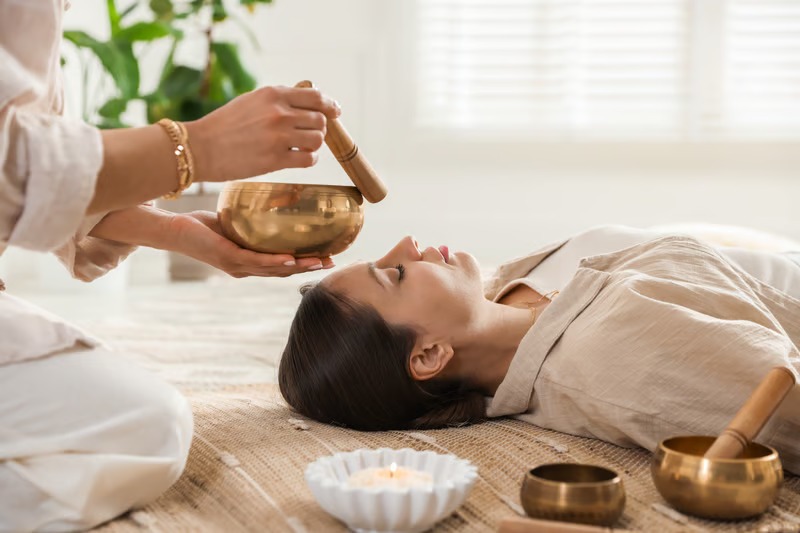
Have you ever achieved a career goal only to realize you still felt exhausted, stressed, or emotionally disconnected? Many people experience this situation. They may have professional success, financial stability, or personal accomplishments, yet something still feels incomplete. That missing piece often lies in overall well-being rather than external achievements alone. This is where holistic wellness coaching has gained remarkable attention over the past few years.
Unlike traditional coaching models that often focus on achieving a single goal, holistic wellness coaching takes a much broader approach. It recognizes that physical health, emotional resilience, mental clarity, relationships, career satisfaction, spirituality, nutrition, and lifestyle habits all influence one another. When one area struggles, the others usually feel the impact as well. Instead of treating these challenges separately, holistic coaches help clients create balance across every aspect of life.
The growing popularity of this coaching approach reflects modern health trends. Organizations such as the Global Wellness Institute continue to report significant growth in the global wellness economy, with individuals increasingly investing in preventive health, stress management, mindfulness, and lifestyle improvement. People are no longer searching only for success—they are searching for sustainable happiness and long-term wellness.
In this article, you’ll learn exactly what holistic wellness coaching is, how it differs from traditional life coaching, who can benefit from it, and why this whole-person approach is transforming personal development across the world.
Featured Snippet: What Is Holistic Wellness Coaching?
Holistic wellness coaching is a personalized coaching approach that helps individuals improve their physical, emotional, mental, social, and spiritual well-being together rather than focusing on just one life goal. Unlike traditional life coaching, it addresses lifestyle habits, stress, nutrition, relationships, mindset, and overall health to create lasting personal transformation.
Understanding Holistic Wellness Coaching
Looking Beyond Individual Goals
Many coaching programs concentrate on helping people achieve measurable goals such as career advancement, business growth, confidence building, or productivity. While these objectives are valuable, they often overlook the underlying factors that influence success. A person may struggle with burnout, anxiety, poor sleep, unhealthy eating habits, or chronic stress, making it difficult to maintain long-term progress.
Holistic wellness coaching views every individual as an interconnected system. Instead of asking only, “What goal do you want to accomplish?” a holistic coach also asks questions such as, “How is your sleep? How do you manage stress? Are your relationships supportive? Do you feel emotionally fulfilled? Are your daily habits helping or hurting your health?” These questions reveal deeper patterns that influence overall well-being.
Because every person’s circumstances are unique, coaching sessions are highly personalized. The focus is not on quick fixes but on creating sustainable habits that improve every dimension of life.
The Philosophy Behind Holistic Wellness Coaching
The foundation of holistic wellness coaching is the belief that wellness extends far beyond physical fitness. True health includes emotional balance, mental resilience, meaningful relationships, healthy nutrition, purposeful work, financial awareness, and personal growth.
Imagine someone who exercises daily but constantly experiences anxiety, sleeps only four hours a night, and feels disconnected from family. Although physically active, that individual may still struggle with overall wellness. Likewise, someone with an excellent career may experience poor health because stress dominates everyday life.
A holistic coach helps identify these imbalances and works collaboratively with clients to develop practical, realistic improvements. Small daily changes often lead to remarkable long-term transformations because they address root causes rather than symptoms.
What Is Traditional Life Coaching?
A Goal-Oriented Coaching Approach
Traditional life coaching focuses primarily on helping clients define and accomplish specific personal or professional objectives. A client may want to start a business, improve leadership skills, build confidence, strengthen communication abilities, or achieve greater productivity.
Life coaches generally provide accountability, motivation, planning strategies, and structured goal-setting techniques. Sessions often revolve around identifying obstacles, creating action plans, tracking measurable progress, and maintaining focus throughout the coaching process.
This approach works extremely well for individuals who already have a relatively balanced lifestyle but need guidance achieving a particular objective. However, it may not always explore deeper health or emotional issues that could be influencing performance.
Where Traditional Coaching Has Limitations
Traditional coaching can produce impressive results, but it sometimes treats challenges as isolated problems instead of connected experiences. For example, someone struggling with workplace productivity may actually be dealing with chronic sleep deprivation, poor nutrition, overwhelming stress, or emotional exhaustion.
If those underlying issues remain unresolved, productivity strategies alone may produce only temporary improvements. This is one of the biggest reasons why holistic wellness coaching has become increasingly popular. Rather than separating health from achievement, it recognizes that sustainable success depends on overall well-being.
The Biggest Differences Between Holistic Wellness Coaching and Life Coaching
Focus and Overall Purpose
The most noticeable difference lies in the coaching philosophy. Traditional life coaching generally begins with a clearly defined goal and develops strategies to reach it. Success is often measured through completed objectives, career milestones, or personal achievements.
In contrast, holistic wellness coaching begins by evaluating the whole person. Coaches examine physical health, emotional wellness, stress management, nutrition, work-life balance, relationships, mindset, and lifestyle habits before designing a personalized action plan.
Although both coaching styles encourage growth, holistic coaching seeks transformation rather than simply achievement. The objective is not only reaching goals but also creating a healthier, happier, and more balanced life that remains sustainable for years.
Areas of Life Addressed
Another major distinction involves the scope of coaching. Traditional life coaching usually concentrates on one or two primary areas, while holistic wellness coaching considers how multiple aspects of life influence each other.
A holistic coach may explore areas such as:
Physical health and daily movement
Nutrition and eating habits
Stress management techniques
Emotional intelligence
Mindfulness practices
Sleep quality
Work-life balance
Personal relationships
Self-confidence and mindset
Purpose and long-term fulfillment
Because these areas are interconnected, improving one often creates positive changes in several others. This integrated approach helps clients build habits that support lasting wellness rather than temporary success.
Why Holistic Wellness Coaching Is Growing in Popularity
Modern lifestyles are busier than ever before. Remote work, digital overload, financial pressures, family responsibilities, and constant connectivity have made stress an everyday experience for millions of people. As a result, many individuals are looking for support that addresses more than career goals alone.
Research in behavioral psychology and lifestyle medicine consistently shows that sleep, nutrition, exercise, stress management, and emotional health significantly influence productivity, decision-making, motivation, and long-term happiness. This growing body of evidence has strengthened the value of holistic wellness coaching as a comprehensive approach to personal development.
Rather than encouraging people to push harder despite exhaustion, holistic coaching teaches sustainable growth. Clients learn healthier routines, build emotional resilience, improve self-awareness, and develop habits that support every aspect of their lives. These improvements often create positive ripple effects across careers, relationships, physical health, and personal fulfillment.
How Holistic Wellness Coaching Creates Lasting Lifestyle Change
Building Habits Instead of Depending on Motivation
One of the biggest reasons people struggle to improve their lives is that they rely on motivation alone. Motivation naturally rises and falls, especially during stressful periods. A holistic wellness coach understands this reality and focuses instead on building habits that become part of everyday life. Rather than asking clients to completely change overnight, coaching encourages small, consistent improvements that gradually become sustainable routines.
For example, instead of expecting someone to suddenly exercise for an hour every day, a coach may recommend beginning with a twenty-minute walk, improving sleep habits, drinking more water, and practicing five minutes of mindfulness each morning. These simple actions often create momentum, making larger lifestyle changes easier over time. This gradual approach is one of the reasons holistic wellness coaching produces lasting results rather than temporary motivation.
Addressing the Root Cause Instead of the Symptoms
Traditional coaching often focuses on solving visible challenges. Holistic wellness coaching goes deeper by identifying why those challenges exist in the first place. If someone feels constantly tired, the issue may not be poor time management. Instead, it could be chronic stress, poor nutrition, emotional burnout, or inadequate sleep.
A holistic coach carefully examines different areas of life before recommending strategies. This process helps clients understand how one unhealthy habit may affect several aspects of their well-being. Addressing root causes creates meaningful improvements that continue long after coaching sessions end. Rather than simply treating symptoms, holistic wellness coaching helps individuals develop healthier lifestyles that support both present and future goals.
Who Can Benefit from Holistic Wellness Coaching?
Busy Professionals Looking for Better Balance
Many professionals spend years focusing on promotions, deadlines, and financial success while neglecting their health. Long working hours often lead to poor eating habits, lack of exercise, increased stress, and insufficient sleep. Eventually, these patterns can reduce productivity instead of improving it.
Holistic wellness coaching helps professionals restore balance without sacrificing career ambitions. Coaches help clients create healthier daily routines, establish work-life boundaries, manage stress more effectively, and improve overall energy levels. Many professionals report feeling more focused, productive, and emotionally resilient after implementing holistic wellness strategies.
Entrepreneurs Managing Constant Pressure
Business owners often experience unpredictable schedules, financial uncertainty, and high levels of responsibility. While entrepreneurship can be rewarding, it may also increase anxiety and burnout if self-care is ignored.
Holistic coaches help entrepreneurs create sustainable routines that protect both their business performance and personal health. Through better stress management, mindfulness practices, improved sleep, and healthier habits, entrepreneurs often find themselves making clearer decisions while maintaining higher energy throughout the day.
Individuals Seeking Better Overall Wellness
Not everyone seeks coaching because of career challenges. Many simply want to feel healthier, happier, and more fulfilled. They may struggle with confidence, emotional balance, unhealthy habits, or a lack of direction.
Holistic wellness coaching provides personalized guidance that supports physical health, emotional well-being, personal growth, and long-term lifestyle improvement. Because every coaching plan is individualized, clients receive strategies that fit their unique needs and circumstances.
Scientific Evidence Supporting Holistic Wellness Coaching
Growing research in behavioral science, psychology, lifestyle medicine, and public health continues to support the importance of integrated wellness approaches. Studies consistently show that regular physical activity improves mood, balanced nutrition supports cognitive performance, quality sleep strengthens emotional regulation, and mindfulness reduces stress.
Researchers also emphasize that these healthy behaviors work together rather than independently. Someone who sleeps well is often more likely to exercise. Regular exercise improves mood, making healthy eating easier. Better nutrition increases energy, supporting productivity and emotional resilience. This interconnected relationship reflects the central philosophy behind holistic wellness coaching.
Health experts increasingly encourage lifestyle interventions as part of preventive healthcare because they address multiple risk factors simultaneously. Rather than waiting until illness develops, holistic wellness focuses on maintaining health before serious problems arise.
Common Misconceptions About Holistic Wellness Coaching
Some people believe holistic wellness coaching is only about meditation or alternative healing practices. In reality, professional coaches rely on evidence-based behavior change strategies, goal setting, accountability, and practical lifestyle improvements. While mindfulness may be included when appropriate, coaching extends far beyond relaxation techniques.
Another common misconception is that holistic coaching replaces medical care. It does not. Qualified coaches work alongside healthcare professionals whenever necessary. Medical conditions require diagnosis and treatment from licensed providers, while holistic wellness coaching supports healthier daily habits that complement medical care rather than replace it.
Some individuals also assume coaching is only for people facing serious challenges. In truth, many clients simply want to improve their quality of life, increase energy, strengthen relationships, or create healthier routines before problems develop.
How to Choose the Right Holistic Wellness Coach
Selecting the right coach is an important step toward achieving meaningful results. Experience, communication style, coaching philosophy, and professional training all influence the coaching relationship. A good coach listens carefully, asks thoughtful questions, and creates realistic action plans instead of offering one-size-fits-all solutions.
When evaluating a coach, consider factors such as:
Relevant coaching certifications and education.
Experience working with clients who have similar goals.
Personalized coaching methods rather than generic advice.
Strong communication and accountability.
A coaching philosophy focused on sustainable lifestyle change.
The relationship should feel supportive, collaborative, and respectful. Successful coaching depends on trust and open communication between both parties.
Expert Advice for Long-Term Wellness Success
Wellness experts consistently recommend focusing on progress instead of perfection. Lasting health improvements rarely happen through dramatic overnight changes. Instead, they develop through small daily habits repeated consistently over time.
Experts encourage individuals to begin by identifying one or two realistic lifestyle improvements rather than attempting complete transformation immediately. Better sleep, healthier nutrition, regular movement, improved hydration, mindfulness, and stress management often provide significant benefits when practiced consistently.
Another valuable recommendation is self-compassion. Everyone experiences setbacks. Missing a workout or having a stressful week does not erase previous progress. Holistic wellness coaching teaches clients to view setbacks as learning opportunities rather than failures, helping them return to healthy routines with confidence instead of guilt.
Final Thoughts
Modern life demands more than professional success alone. True well-being comes from balancing physical health, emotional resilience, meaningful relationships, purposeful work, and healthy daily habits. This is exactly where holistic wellness coaching offers a unique advantage over traditional life coaching.
While life coaching remains highly effective for achieving specific goals, holistic coaching recognizes that lasting success depends on the health of the whole person. By addressing nutrition, sleep, exercise, stress, mindset, emotional wellness, and personal purpose together, clients experience deeper and more sustainable transformation.
As research continues to highlight the connection between lifestyle habits and long-term health, the demand for holistic wellness coaching is likely to continue growing. For anyone seeking a healthier, more balanced, and more fulfilling life, this whole-person approach provides practical tools that support lasting change.
Frequently Asked Questions
What is holistic wellness coaching?
Holistic wellness coaching is a personalized coaching approach that helps individuals improve physical, emotional, mental, and lifestyle well-being together. Coaches guide clients in creating healthier habits related to nutrition, stress management, sleep, relationships, mindfulness, and personal growth, resulting in balanced and sustainable long-term wellness.
How is holistic wellness coaching different from traditional life coaching?
Traditional life coaching primarily focuses on achieving personal or professional goals, while holistic wellness coaching addresses the entire person. It considers physical health, emotional well-being, daily habits, relationships, and mindset alongside goal achievement, creating comprehensive and lasting lifestyle transformation instead of focusing on only one area.
Is holistic wellness coaching supported by research?
Yes. Research in behavioral psychology, lifestyle medicine, and public health supports the importance of healthy habits such as exercise, quality sleep, stress management, balanced nutrition, and mindfulness. Holistic wellness coaching integrates these evidence-based practices to improve overall well-being and promote sustainable lifestyle changes.
Who should consider holistic wellness coaching?
Anyone seeking greater balance, improved health, better stress management, increased energy, stronger relationships, or personal growth can benefit. Professionals, entrepreneurs, parents, students, and retirees often choose holistic wellness coaching because it addresses everyday challenges while supporting long-term physical and emotional wellness.
Can holistic wellness coaching replace healthcare professionals?
No. Holistic wellness coaching does not diagnose, treat, or replace medical care. Instead, it complements healthcare by helping clients develop healthier daily habits, improve lifestyle behaviors, and stay accountable to wellness goals. Individuals with medical concerns should always consult qualified healthcare professionals alongside coaching.