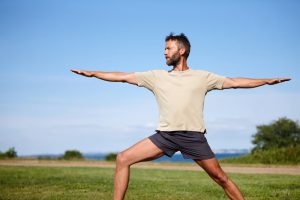

Stress is a natural response to challenging situations. It prepares the body to react quickly when facing pressure or uncertainty. However, during periods of acute stress, breathing often becomes faster and shallower. This change may increase feelings of anxiety, tension, and mental overload. Learning how to slow your breathing intentionally is one of the simplest ways to support your body’s natural relaxation response. Unlike many stress management strategies that require special equipment or long practice sessions, deep breathing techniques can be used almost anywhere. Whether you are preparing for an important presentation, managing workplace pressure, facing a difficult conversation, or recovering from an emotionally demanding event, controlled breathing offers an immediate tool for regaining focus. While breathing exercises cannot eliminate the source of stress, they can help reduce its physical effects and improve emotional regulation. Consistent practice also strengthens resilience, making it easier to remain calm when unexpected challenges arise. Understanding different breathing methods allows you to choose the technique that best matches your situation while building healthy habits that support long-term mental well-being.
Why Breathing Influences Stress Levels
Breathing is closely connected to the body’s nervous system.
When stress appears, breathing naturally becomes shorter and faster.
This response prepares the body for action by increasing alertness.
Although helpful during genuine emergencies, prolonged rapid breathing may contribute to ongoing tension and discomfort.
Controlled breathing encourages the opposite response.
Slow, steady breaths support relaxation by helping the body shift away from constant stress activation.
Breathing also influences oxygen and carbon dioxide balance.
Quick, shallow breathing may create sensations such as dizziness, muscle tightness, or difficulty concentrating.
Slowing the breath helps restore a more comfortable rhythm.
Mental focus improves as breathing becomes steadier.
Instead of allowing anxious thoughts to dominate attention, controlled breathing provides a simple point of concentration.
This shift often reduces emotional intensity while improving decision-making.
Although breathing exercises cannot remove stressful situations, they help create a calmer internal response.
With regular practice, individuals often recognize stressful moments earlier and respond more effectively.
Deep Breathing Techniques That Can Calm Stress Quickly
Different breathing methods work well in different situations.
Understanding several techniques provides greater flexibility during stressful moments.
Diaphragmatic Breathing
Diaphragmatic breathing focuses on using the diaphragm rather than relying primarily on the chest.
Many people naturally breathe into the upper chest during stressful situations.
This shallow pattern limits full lung expansion.
Practicing diaphragmatic breathing encourages slower, deeper breaths.
Place one hand on the chest and the other on the abdomen.
As you inhale gently through the nose, allow the abdomen to rise while keeping the chest relatively still.
Exhale slowly through the mouth or nose, allowing the abdomen to relax naturally.
This technique works particularly well when stress develops gradually or during recovery after emotionally demanding situations.
Beginners sometimes inhale too forcefully.
Comfort remains more important than taking extremely deep breaths.
Smooth, natural breathing produces better results than exaggerated effort.
Box Breathing
Box breathing follows a simple four-part rhythm.
Inhale slowly, pause briefly, exhale steadily, then pause again before repeating.
Each stage typically lasts an equal amount of time.
The predictable pattern creates structure during periods of emotional overload.
Many people find box breathing helpful before presentations, interviews, or other high-pressure situations requiring concentration.
The technique also encourages attention to remain focused on counting rather than racing thoughts.
Comfort remains essential.
Individuals may adjust the timing slightly according to personal preference while maintaining a balanced rhythm.
Consistency matters more than exact counting.
Extended Exhale Breathing
Extended exhale breathing emphasizes making each exhalation slightly longer than each inhalation.
This gradual shift often encourages greater relaxation.
For example, breathing in comfortably for several seconds and breathing out slightly longer creates a calming rhythm without requiring complicated instructions.
Many individuals use this technique before sleep, after stressful meetings, or while waiting for emotionally challenging events.
The slower exhalation encourages physical relaxation while reducing muscle tension.
Like other breathing methods, gentle breathing remains the goal.
Avoid forcing extremely long breaths that create discomfort.
Natural rhythm supports better results.
Choosing the Right Technique for Different Situations
No single breathing method works perfectly for every circumstance.
Different situations require different approaches.
Workplace stress often develops throughout the day.
Brief diaphragmatic breathing sessions between meetings or projects help reduce accumulated tension without disrupting productivity.
Students preparing for examinations or professionals facing presentations frequently benefit from box breathing.
Its structured rhythm encourages concentration while reducing nervous energy.
Emotionally difficult conversations may require a different strategy.
Extended exhale breathing often helps regulate emotions before responding thoughtfully rather than reacting impulsively.
Evening relaxation presents another opportunity.
Gentle breathing before bedtime supports transition from daytime activity toward restful sleep.
Experimenting with multiple methods helps identify which technique feels most effective during specific situations.
Flexibility improves long-term success.
Rather than relying on one method exclusively, develop a small collection of breathing strategies that can be adapted according to changing circumstances.
Common Challenges When Practicing Breathing Exercises
Although breathing exercises appear simple, many beginners encounter challenges.
Physical and Mental Barriers
One common difficulty involves breathing too quickly.
Attempting extremely deep breaths sometimes causes lightheadedness or discomfort.
Gentle breathing remains more effective than exaggerated effort.
Maintaining focus presents another challenge.
Stress naturally encourages racing thoughts.
Attention may repeatedly drift away from breathing.
This is completely normal.
Simply returning attention to the breath without frustration supports continued progress.
Some individuals expect immediate mastery.
Like any skill, breathing techniques improve through regular practice rather than perfection during the first attempt.
Environmental distractions may also interfere.
Practicing in quieter settings initially often builds confidence before using techniques in busier environments.
Patience supports long-term improvement.
Building a Sustainable Routine
Consistency creates greater benefits than occasional lengthy practice sessions.
Beginning with only a few minutes each day makes new habits easier to maintain.
Pairing breathing exercises with existing routines also improves consistency.
Morning coffee, lunch breaks, or evening relaxation provide natural reminders.
Tracking progress encourages motivation.
Brief notes regarding practice frequency or perceived stress levels help identify gradual improvement over time.
As confidence develops, session length may increase naturally.
Small, sustainable habits generally produce better long-term results than ambitious routines that become difficult to maintain.
Complementary Habits That Enhance Stress Management
Breathing exercises become even more effective when combined with broader healthy lifestyle habits.
Regular physical activity supports emotional well-being while helping regulate stress responses.
Gentle stretching or mindful movement complements breathing by releasing accumulated muscle tension.
Sleep also influences emotional resilience.
Consistent sleep routines improve the body’s ability to manage everyday stressors.
Nutrition contributes as well.
Balanced meals provide steady energy that supports concentration and emotional stability.
Adequate hydration also supports normal body function throughout the day.
Some individuals benefit from monitoring caffeine intake during particularly stressful periods.
Large amounts of caffeine may increase feelings of nervousness in certain people.
Mindfulness practices further strengthen breathing exercises.
Paying attention to present experiences without constant judgment encourages greater emotional awareness.
Together, these habits create a comprehensive approach to managing stress rather than relying upon any single technique.
Making Deep Breathing Part of Everyday Life
Developing lasting breathing habits requires intentional practice.
Develop Consistent Daily Practice
Waiting until overwhelming stress appears makes new skills more difficult to apply.
Regular daily practice allows breathing techniques to become familiar before they are urgently needed.
Short sessions during routine transitions often work well.
Practice before beginning work, after commuting, during lunch breaks, or before bedtime.
Visual reminders also encourage consistency.
Phone notifications, calendar reminders, or written notes help establish regular habits.
Confidence grows gradually.
The more frequently breathing techniques are practiced under calm conditions, the easier they become during stressful situations.
Routine creates reliability.
Know When Additional Support Is Needed
Breathing exercises represent one valuable stress management tool, but they are not a complete solution for every situation.
Persistent emotional distress, overwhelming anxiety, or ongoing stress that significantly affects daily life may require additional support.
Combining breathing exercises with healthy sleep habits, physical activity, supportive relationships, and other evidence-informed coping strategies often provides broader benefits.
Speaking with a qualified healthcare or mental health professional is appropriate when stress becomes difficult to manage or continues over time.
Viewing breathing as one part of a comprehensive wellness plan encourages balanced expectations while supporting long-term emotional health.
Conclusion
Deep breathing techniques offer a practical, accessible, and effective way to reduce the physical effects of acute stress while improving focus and emotional regulation. Diaphragmatic breathing, box breathing, and extended exhale breathing each provide unique advantages depending on the situation, making it helpful to learn more than one approach. Although these methods can produce noticeable calming effects within minutes, their greatest benefits develop through consistent daily practice rather than occasional use. Building sustainable habits, managing common challenges, and combining breathing exercises with healthy lifestyle choices such as regular physical activity, quality sleep, balanced nutrition, and mindfulness strengthen long-term resilience. It is also important to recognize that breathing exercises are one part of a broader approach to mental well-being. When practiced regularly and used alongside other healthy coping strategies, they become valuable tools for navigating everyday challenges with greater confidence, clarity, and emotional balance.